Asbestos Inspection: Key Facts and Tips for Home Inspectors
Asbestos is a hazardous material that has been commonly used in construction for decades and is valued for its durability, heat resistance, and insulation properties. However, when disturbed, asbestos fibres can become airborne and pose significant health risks, including lung cancer, asbestosis, and mesothelioma. As a result, asbestos inspections are essential for identifying and managing potential risks in properties, whether residential or commercial.
In this article, we'll provide valuable facts and key tips for home inspectors on how to handle asbestos inspections properly. We'll cover everything from understanding the types of asbestos to the safety measures necessary during inspections, as well as how to test and identify asbestos-containing materials (ACMs).
Whether you are a licensed asbestos assessor or a property inspector looking to enhance your knowledge, this guide will offer the necessary insights for conducting thorough, safe, and compliant asbestos inspections.
Before discussing the specifics of asbestos inspections, it's crucial to understand what asbestos is and why it's a concern. Asbestos is a group of naturally occurring minerals made up of thin fibres. These fibres are highly resistant to heat, fire, and chemicals, which is why they are widely used in construction materials such as roofing, flooring, insulation, and wall panels.
There are several types of asbestos, each of which has distinct characteristics:
The health risks associated with extreme exposure to asbestos fibres are significant. Prolonged inhalation of these fibres can lead to serious respiratory illnesses, including asbestosis, lung cancer, and mesothelioma. This is why it is critical to identify and safely manage asbestos during property inspections, especially when renovating or altering buildings.
For home inspectors, identifying asbestos in a property is an important aspect of guaranteeing the health and safety of the occupants. Asbestos inspection plays a crucial role in detecting hazardous materials in a building before renovations or demolitions begin. Proper inspections also help property owners understand whether their property contains asbestos and, if so, how to handle the situation appropriately.
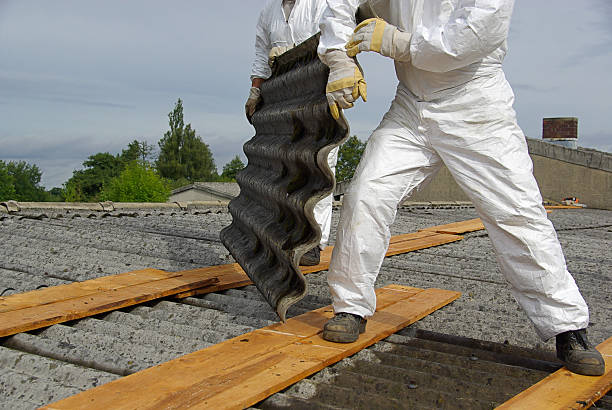
Asbestos is often hidden in building materials such as insulation, ceiling tiles, floor tiles, cement pipes, and roofing materials. Since it can be difficult to detect visually, an asbestos inspection by a qualified asbestos assessor is necessary to ensure that all potential sources of exposure are identified.
An effective asbestos inspection requires a systematic approach that follows strict safety protocols and regulations. Below are the key steps to take during an asbestos inspection:
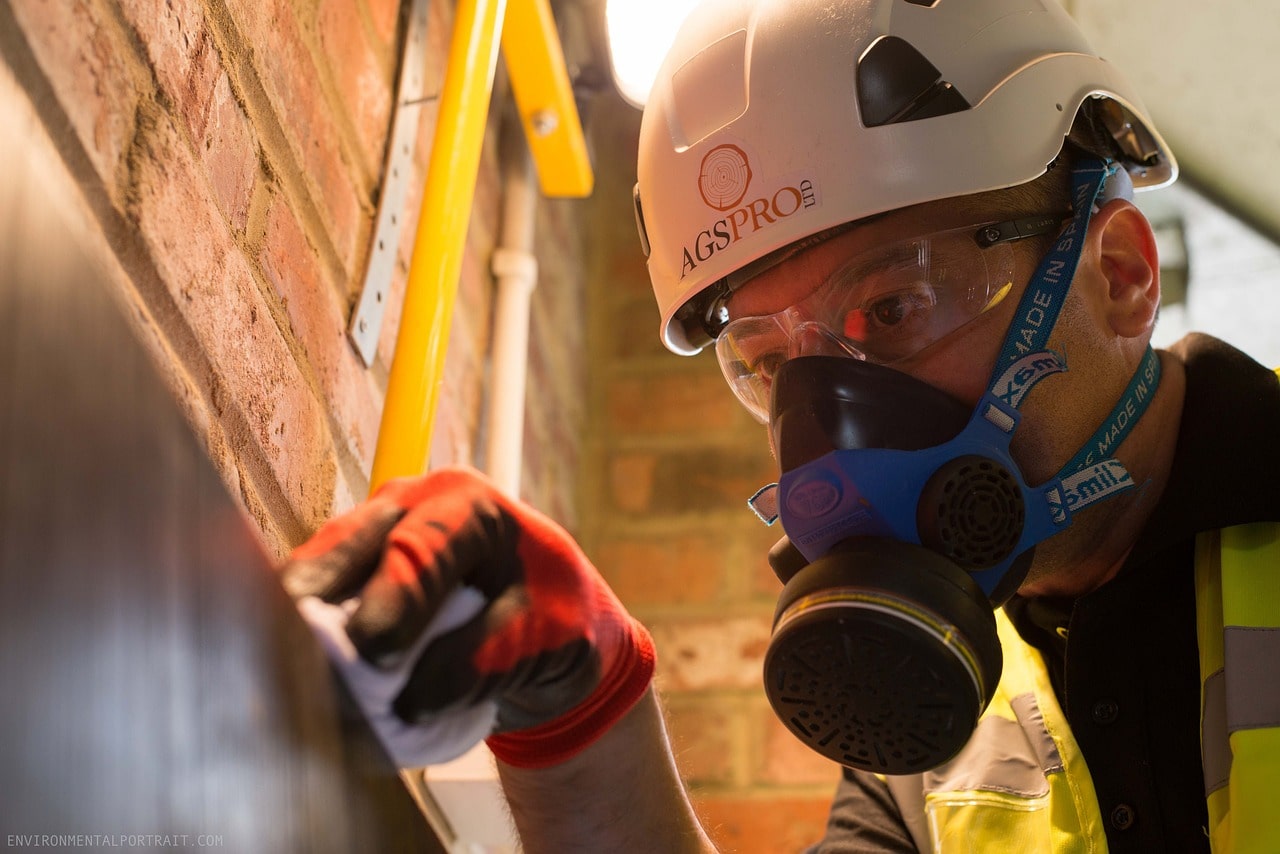
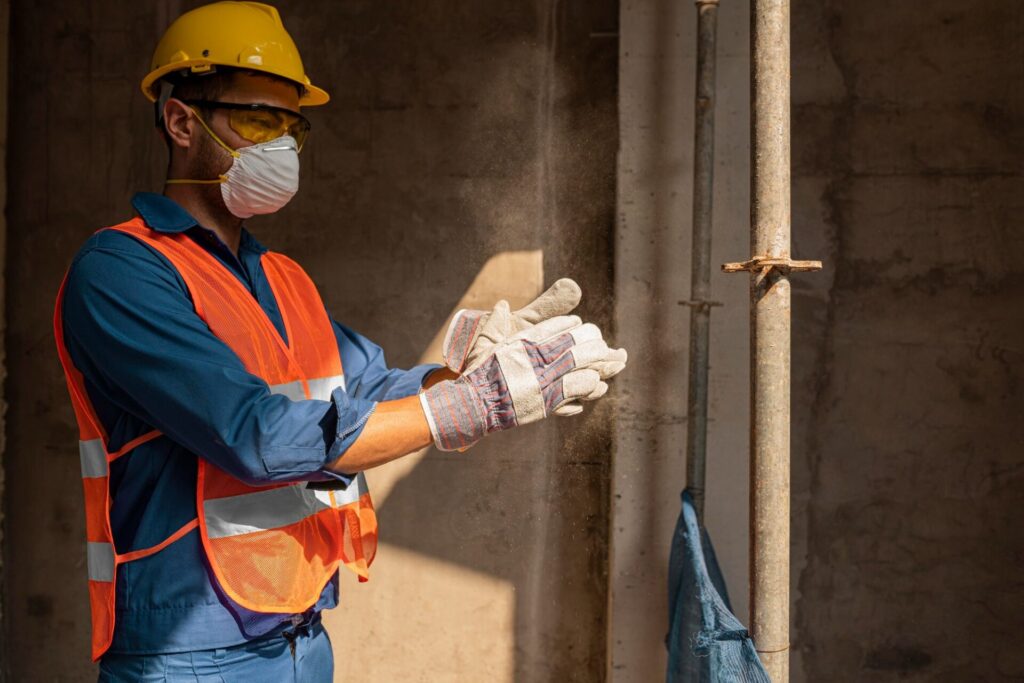
Before conducting any inspection, it is crucial to assess the site for safety. Ensure that personal protective equipment (PPE) such as gloves, safety glasses, respirators, and protective clothing are worn. Asbestos fibres are tiny and can easily become airborne, so using proper safety gear is essential for preventing exposure.
The first step in the inspection is to conduct a thorough survey of the property. Focus on areas where asbestos-containing materials (ACMs) are likely to be found, including attics, basements, ceilings, walls, and crawl spaces. Common materials that may contain asbestos include floor tiles, pipe insulation, popcorn ceilings, and roofing shingles.
Inspectors should identify materials that may contain asbestos based on their age, appearance, and location. While materials may not visibly show signs of asbestos, older buildings (especially those built before the 1980s) are more likely to contain asbestos. If any suspicious material is found, it is essential to take precautions to avoid disturbing it.
If suspect materials are found, a sample must be collected for laboratory testing to confirm the presence of asbestos. An asbestos assessor or licensed professional will take samples from materials suspected to contain asbestos. These samples should be carefully sealed in protective bags and sent to an accredited laboratory for analysis.
Testing will determine whether the material contains asbestos and, if so, the type and quantity of asbestos present. Depending on the findings, recommendations for safe removal or remediation can be made.
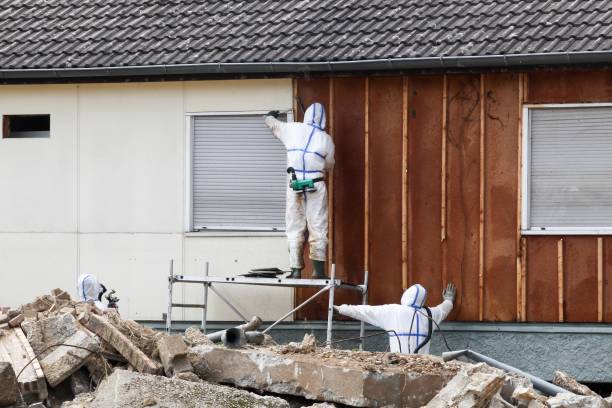
Safety should always be a top priority during asbestos inspections. When handling asbestos, inspectors must follow strict protocols to minimize the risk of exposure. This includes wearing the correct protective gear and ensuring that the area is properly sealed off to prevent contamination of the surrounding environment.
In addition, it's important to inform property owners about the risks of asbestos and the necessary steps to take if asbestos is found. Property owners should not attempt to remove asbestos themselves. Licensed asbestos removal contractors are trained to safely handle and dispose of hazardous materials.
If asbestos is detected during an inspection, the next step is to recommend appropriate testing and removal procedures. Testing typically involves sending samples to a laboratory to identify the potential concentration of asbestos. If the levels of asbestos exceed the safety limits, the material will need to be removed by licensed asbestos removal contractors.
Home inspectors should advise property owners to hire professionals for asbestos removal. Handling asbestos is regulated by laws to ensure public safety. Only licensed contractors should be entrusted with the removal and disposal of asbestos-containing materials to ensure compliance with local regulations.
Asbestos inspections are important for residential and commercial properties, where the risks can be greater due to the larger scale of the building. Commercial buildings may contain asbestos in older insulation systems, ceiling tiles, floors, and other materials. A comprehensive asbestos survey in commercial properties is essential for identifying hazards and ensuring the building is safe for employees, clients, and visitors.
For commercial inspections, it is also crucial to consider ongoing maintenance and potential renovations. If renovations are planned, a pre-renovation asbestos inspection is essential to prevent disturbing hazardous materials during construction activities.
Asbestos inspections can be challenging, but several tips can help home inspectors identify potential hazards:
Asbestos inspections are crucial to ensuring the safety and health of anyone involved with a property, whether it is a home or a commercial space. As a home inspector, understanding how to properly identify, test, and handle asbestos is key to performing your job with confidence and competence.
By following proper procedures, maintaining safety standards, and consulting licensed asbestos assessors when necessary, you can help protect your clients and yourself from the dangers of asbestos exposure.