Asbestos Testing: How The Process Works
Asbestos refers to a naturally occurring mineral composed of thin, fibrous crystals. Once widely known for its durability, heat resistance, and insulating properties, asbestos became a common material used in the construction of homes and buildings during the 20th century. However, it was later discovered that exposure to asbestos fibres poses serious health risks, leading to diseases such as mesothelioma and lung cancer. As a result, dealing with asbestos has become critical, especially in renovations or demolitions, making asbestos testing an essential process for ensuring safety.
The process of asbestos testing involves careful asbestos sampling from various building materials that might contain this hazardous material. Initially, professionals will conduct a thorough inspection to identify potential asbestos-containing areas. Samples are meticulously collected by trained experts, ensuring minimal disturbance to the hazardous materials. These samples are later analysed in a laboratory setting to determine the presence and concentration of asbestos fibres. By following these protocols, asbestos testing ensures that appropriate measures are usually taken to manage and remediate the hazardous material effectively, thereby safeguarding public health and safety.

Asbestos, once renowned and preferred for its durability and heat resistance, now poses significant health risks. The tiny asbestos fibres, invisible to the naked eye, can become airborne and inhaled, leading to severe respiratory conditions. Health problems like asbestosis, lung cancer, and mesothelioma are linked directly to exposure. Thus, identifying and managing asbestos in buildings is crucial. Hazardous materials like asbestos were commonly used in construction until the latter part of the 20th century, meaning older homes and buildings might still contain these dangerous substances. Identifying asbestos sources ensures that the risk of exposure is minimised for inhabitants and workers alike.
Understanding the necessity of precise asbestos testing is the first step in mitigating these risks. The asbestos testing process begins with a comprehensive inspection of the premises to detect any would-be sources of asbestos-containing materials. Trained professionals conduct a visual assessment, carefully examining areas such as insulation, flooring, ceilings, and roofing where asbestos was historically used. If suspected asbestos is found, samples are collected for further analysis. Testing involves determining the composition of these materials and identifying the presence of asbestos fibres, ensuring that any potential hazards are thoroughly documented.
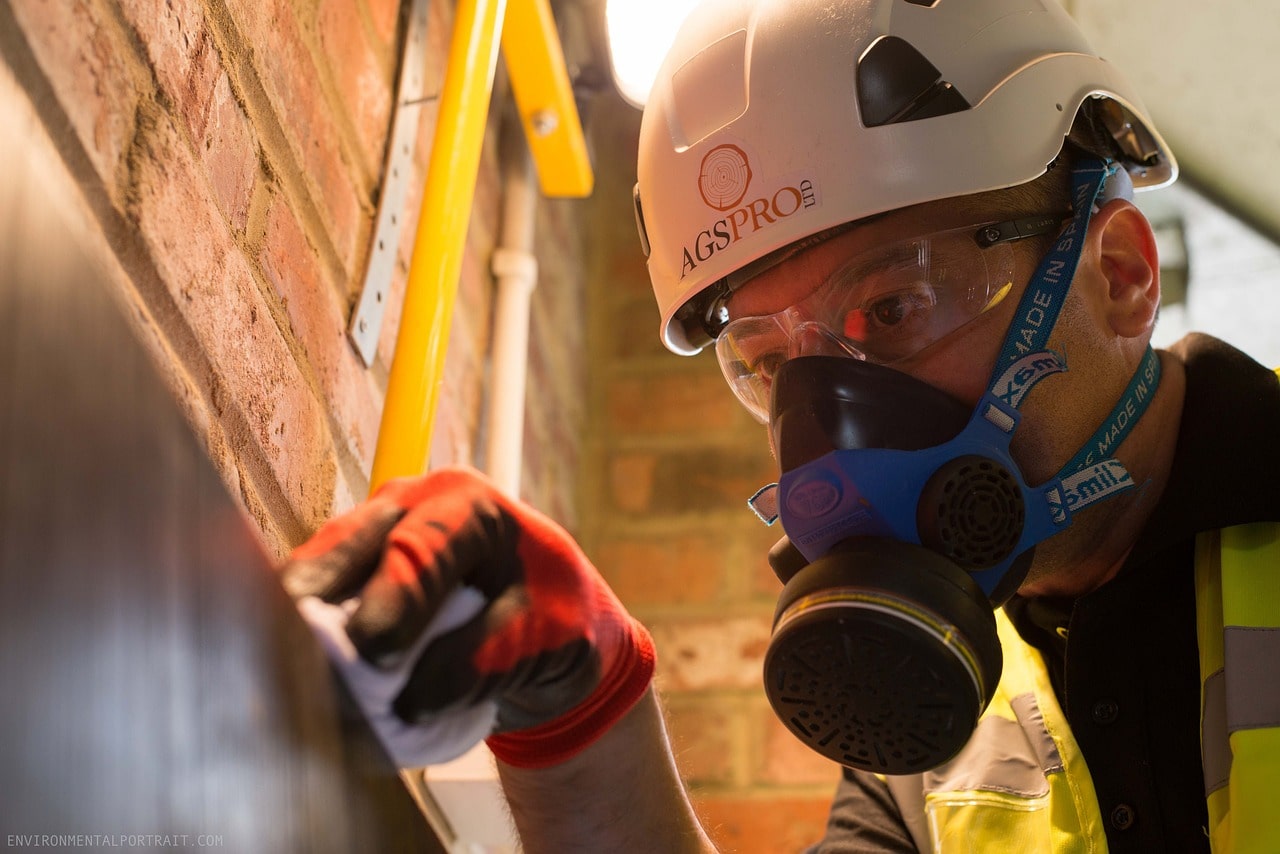
A detailed asbestos inspection is a critical component of ensuring building safety and involves several meticulous steps. The process begins with a comprehensive visual assessment by accredited inspectors who specialise in identifying potential sources of asbestos. These professionals are trained to spot materials that might harbour asbestos fibres, often found in insulation, floor tiles, roofing, and textured surfaces. The inspectors are equipped with knowledge about historical uses of asbestos, which allows them to make informed judgments about likely suspect areas.
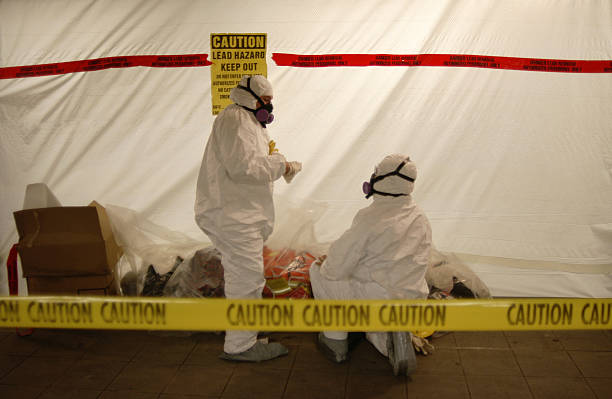
Once the visual assessment is completed, the next step involves the careful collection of asbestos samples. This is a delicate operation because improper handling can lead to the asbestos fibres becoming airborne. To minimise risk, only professionals equipped with personal protective equipment should collect these samples. Ensuring that minimal disturbance occurs during sample collection is paramount for preventing potential health hazards.
After collection, the asbestos samples are transported to a specialised laboratory for analysis. In the lab, samples undergo a series of tests to confirm the presence and concentration of asbestos fibres. These testing services are instrumental in precise asbestos identification, revealing the specific types of asbestos present in the materials. The scientific rigour in the laboratory examination ensures that no potential hazard is overlooked.
If the presence of asbestos is confirmed, the final step involves its safe removal. This requires a coordinated effort to remove asbestos fibre. Adhering to strict safety protocols during removal not only protects the workers but also ensures the area is left free of asbestos, safeguarding future occupants.
The integration of meticulous inspection processes, informed sample collection and comprehensive laboratory analysis forms the backbone of effective asbestos management—ensuring environmental safety and public health are maintained.
After samples have been collected, they are sent to an accredited laboratory for asbestos sampling and analysis. Here, experts use a combination of analytical methods to test the asbestos samples. Transmission Electron Microscopy (TEM) and Polarized Light Microscopy (PLM) are commonly employed techniques to accurately assess the presence and concentration of asbestos fibres within the sample. These microscopic methods offer a highly sensitive analysis capable of identifying even minute amounts of asbestos fibres. The lab results provide detailed insights into the asbestos content, aiding in the decision-making on whether remediation actions are necessary.
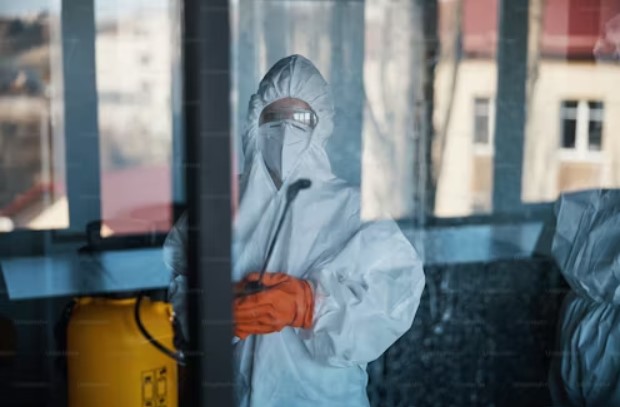
Collaborating with a professional asbestos testing service is essential for the accurate identification and management of hazardous materials in your environment. A certified testing service provides expertise in handling the intricacies associated with asbestos identification and ensures that the testing process is conducted safely and efficiently. Their knowledge not only covers the technical aspects of asbestos testing but also includes comprehensive guidelines to protect the health of those involved. By choosing a reputable asbestos testing service, you guarantee your property’s safety and its occupants, allowing you to address any asbestos-related concerns effectively and with peace of mind.
Throughout this crucial process, it is important to work with professionals who specialise in managing hazardous materials. Their expertise ensures that asbestos fibres are identified swiftly and accurately, mitigating potential health risks. By leveraging advanced laboratory analysis and technology, asbestos testing services provide clear conclusions, guiding you through necessary remediation with confidence.
Whether it's an initial assessment or ongoing monitoring, employing a testing service is your first line of defence against the dangers posed by asbestos, ensuring that living and working environments remain safe and compliant with health regulations.